



Porsche 718 Buyer’s Guide (2017–2025)
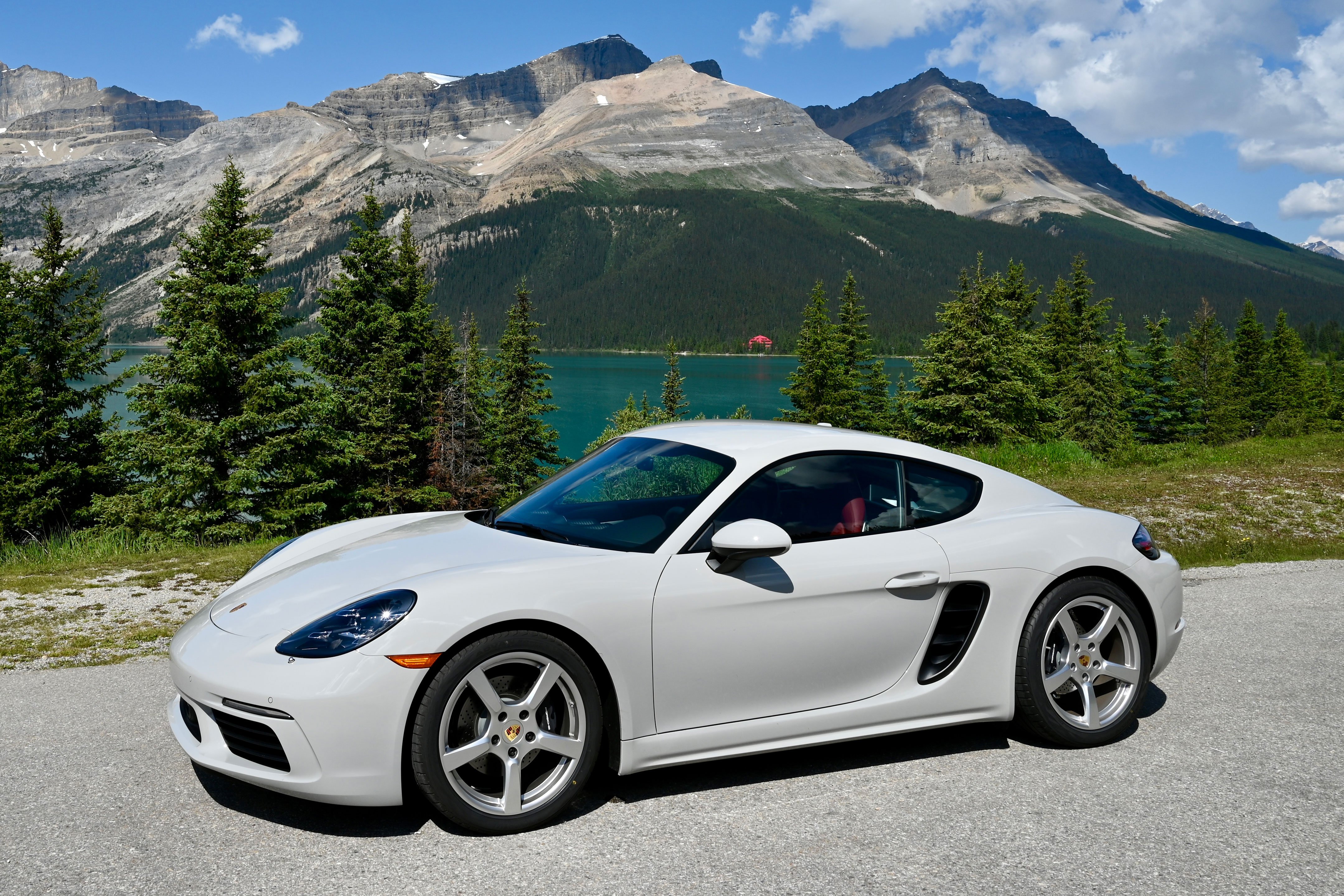
If you're considering buying a Porsche 718 Cayman or Boxster, this guide is for you. Thanks to its mid-engine layout, the 718 remains one of the sharpest handling sports cars on the road — a “pure” sports car if you will. Production of the gasoline-powered 718 concluded in 2025 for most markets, as Porsche intended to transition to an electric version.
Since then, Porsche has given mixed signals on the future of the Cayman/Boxster line and how it might be powered, so only time will tell what comes next.
Porsche 718 Overview
The 718 evolved from the 981 (2012–2016) Boxster and Cayman. The biggest change was the introduction of turbocharged flat-four engines in the early 718 models, replacing the naturally aspirated flat-six found in earlier generations.
The platform retains:
- Mid-engine layout
- Rear-wheel drive
- 6-speed manual or 7-speed PDK
- Electric power steering
- Aluminum-intensive chassis
While the 2.0L and 2.5L turbocharged engines were controversial at launch, they deliver significantly more torque than the outgoing six-cylinder cars and are extremely effective in real-world driving. Beginning in 2020, Porsche reintroduced naturally aspirated flat-six engines in the GTS 4.0, GT4, Spyder, and later RS models — to the utter delight of many.
Porsche 718 Model Breakdown
718 Base (2.0L Turbo, 300 hp) — 2017–2025
Often the most affordable entry point into 718 ownership, the base model is easy to underestimate — but shouldn’t be. As Motor Trend wrote in 2019: “In terms of outright performance, balance, feedback, and fun factor, the 718 Cayman is one hell of a car.” Independent testing has placed the base Cayman in roughly the 8:15–8:20 Nürburgring range — comparable to early supercars like the Audi R8 V8 and Ferrari 360 Modena. These are good value propositions.
718 S (2.5L Turbo, 350 hp) — 2017–2025
The 2.5-liter turbocharged flat-four adds variable turbine geometry and delivers noticeably stronger midrange performance. For many buyers looking for a daily driver, this represents the sweet spot between cost and performance before stepping into GT pricing territory.
718 T (300 hp) — 2020–2023
The “Touring” model strips the car back to the essentials. Less weight, shorter gearing (manual), sport suspension, and a focus on driver engagement over outright numbers. For many enthusiasts, these are among the most rewarding 718s to drive — before stepping into GT territory.
718 GTS 2.5 (365 hp) — 2018–2019
The highest-output turbocharged four-cylinder 718. These cars typically included Sport Chrono, PASM, and sport exhaust as standard. These cars offer good value and, like most factory turbo engines, can be tuned for significant additional power without breaking the bank.
718 GTS 4.0 (394 hp) — 2020–2025
Porsche replaced the turbo GTS with a naturally aspirated 4.0L flat-six — to the delight of the Porsche faithful and exhaust-note aficionados alike! Available with manual or PDK, the GTS 4.0 blends daily drivability with serious performance.
718 Cayman GT4 (414 hp) — 2020–2024
The GT4 has a track-focused 4.0L flat-six with GT suspension tuning. Early cars were manual-only; PDK was added for 2021. Many examples are tracked, making condition and maintenance history critical.
718 Boxster Spyder (414 hp) — 2020–2024
Open-top counterpart to the GT4. Shares drivetrain and suspension fundamentals. Strong enthusiast demand.
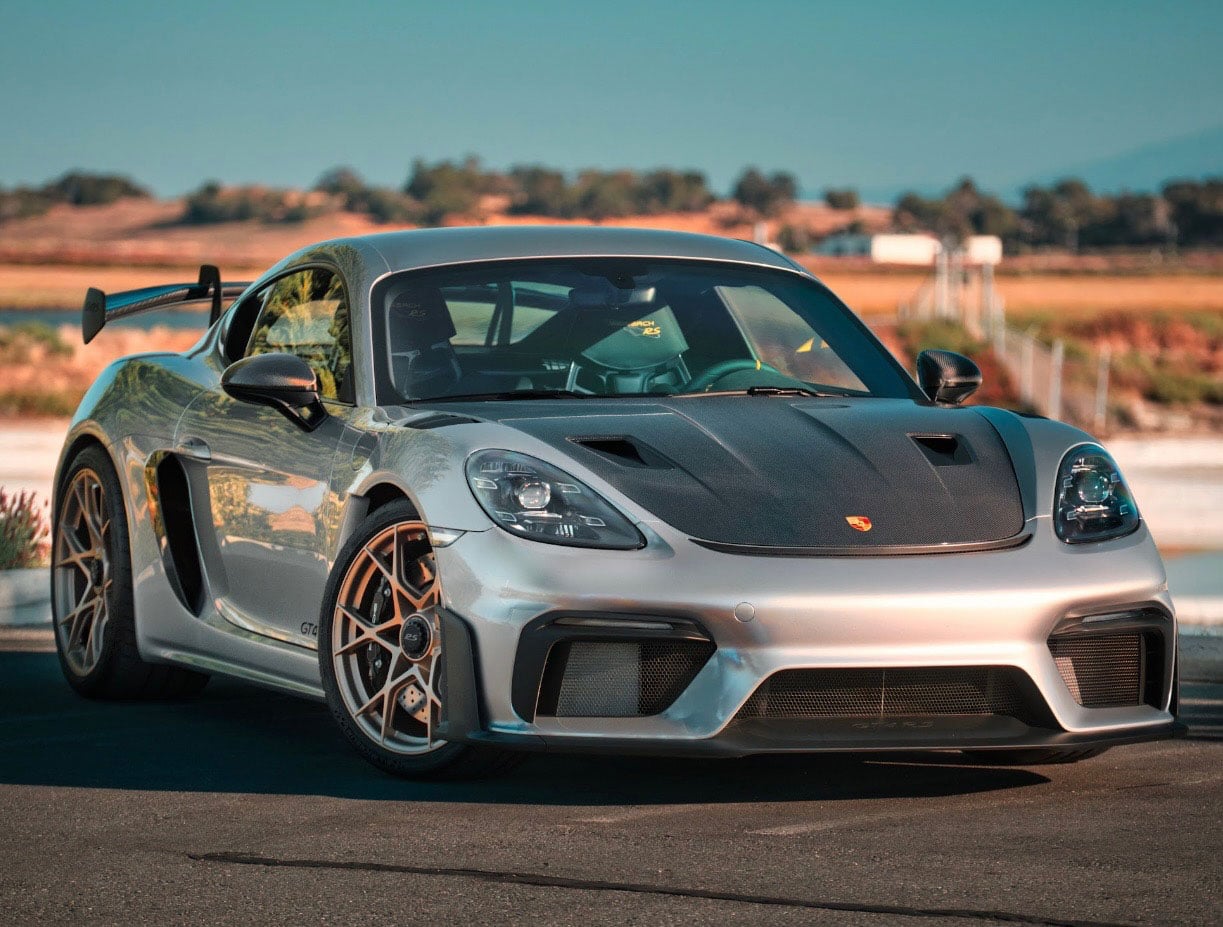
718 Cayman GT4 RS (493 hp) — 2022–2025
Widely viewed as the ultimate 718, this is a special purpose car for a special purpose buyer. It's powered by a 9,000-rpm flat-six derived from the 992 GT3, with GT3 suspension components and aggressive aero. It's a street-legal race car that recorded a 7:09.3 at the Nürburgring. That puts it in with some seriously fast track cars. It's suspension has been described as jarring and harsh on a public road, but no one is buying this car to pick up eggs and milk.
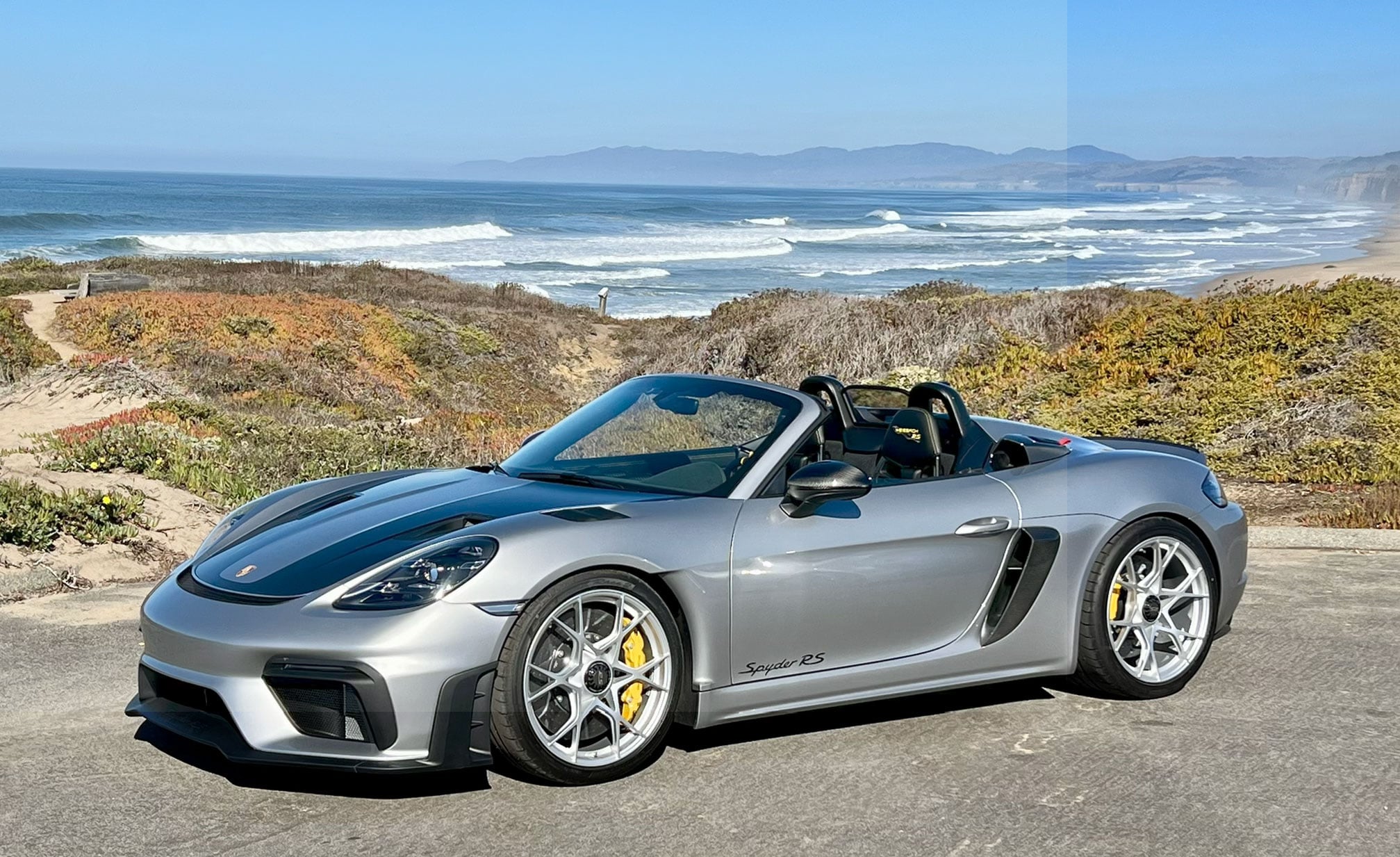
718 Spyder RS (493 hp) — 2024–2025
Open-top version of the GT4 RS. Slightly less aero-focused with a nearly identical mechanical package. Owners report the ride to be more comfortable and street friendly than the GT4 RS.
Porsche 718 Reliability and Common Problems
Overall Porsche 718 reliability has proven strong, with J.D. Power rating the model “Great” in most years surveyed. The platform does not suffer from the catastrophic engine failures associated with some earlier water-cooled Porsche models, such as IMS bearing failures, cylinder bore scoring, or engine block casting defects.
That said, every used performance car deserves scrutiny. A pre-purchase inspection (PPI) by a Porsche-experienced technician is strongly recommended. Many late-model cars are available while still under their original factory warranty or as Certified Pre-Owned (CPO). The CPO warranty is one of the best in the industry. A PPI is still strongly recommended, as they can help reveal issues not covered by warranty (e.g., severe over-revs, poorly repaired body damage, etc.).
When the question of 'common problems' comes up, most owners report little to no problems at all. That said, there are a few recurring issues that come up, albeit infrequently, and other common sense things to check, including:
- Wastegate Rattle (Early Turbo Models). Occasionally reported on early 2.0 and 2.5 cars. Listen for metallic rattling under light throttle and verify no stored boost-related fault codes.
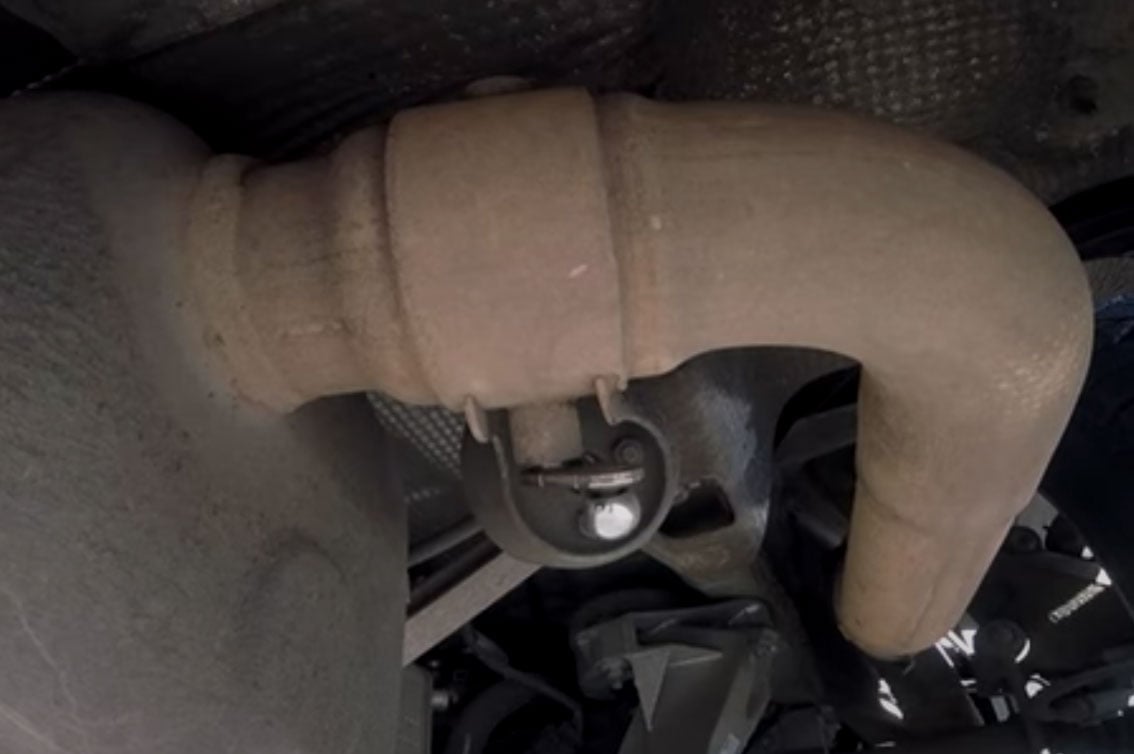
- The PSE (sports exhaust) valve actuator can rattle on some 718 models. Read more about that, and an effective DIY fix in this Carpokes thread.
- Grinding gears. On manual transmissions, check for grinding when shifting from first to second.
- Water pump and cooling system issues. Look for signs of coolant leaks and overheating. Ensure any prior cooling system issues have been professionally repaired.
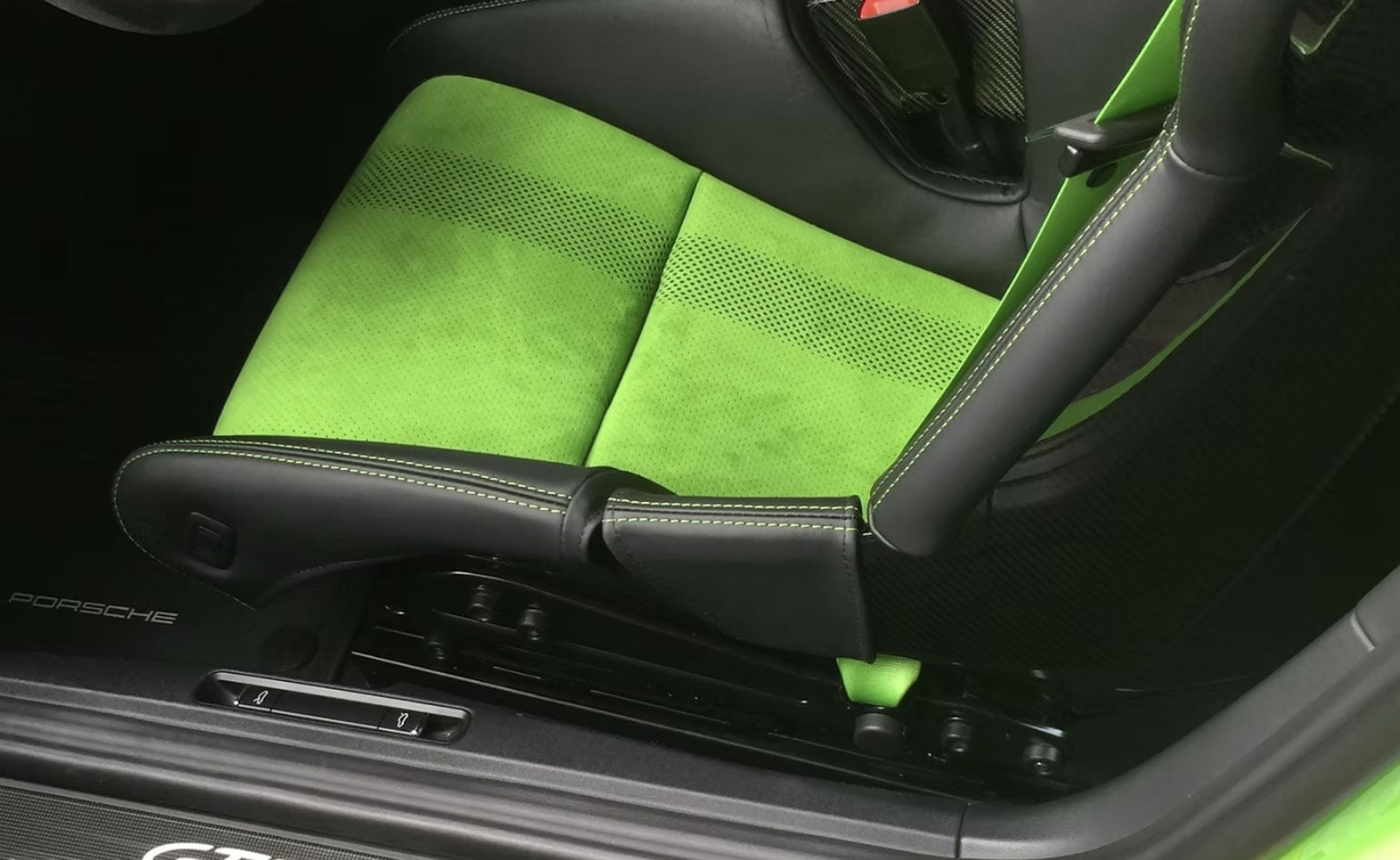
- Interior Wear. Alcantara steering wheels and seat bolsters may show smoothing over time. Lightweight bucket seats (LWBS) are a coveted option among enthusiasts, but are especially prone to outer bolster wear due to tight ingress and egress. Protective bolster covers are common on these seats and can be a sign of good ownership — but be sure to check under them for hidden wear/damage. Look closely, some bolster covers, such as the EdGuard look just like the stock seat and are easy to miss. Some switchgear coatings may show cosmetic peeling with age.
- Sagging headliners. Check for drooping fabric, especially in hot climates.
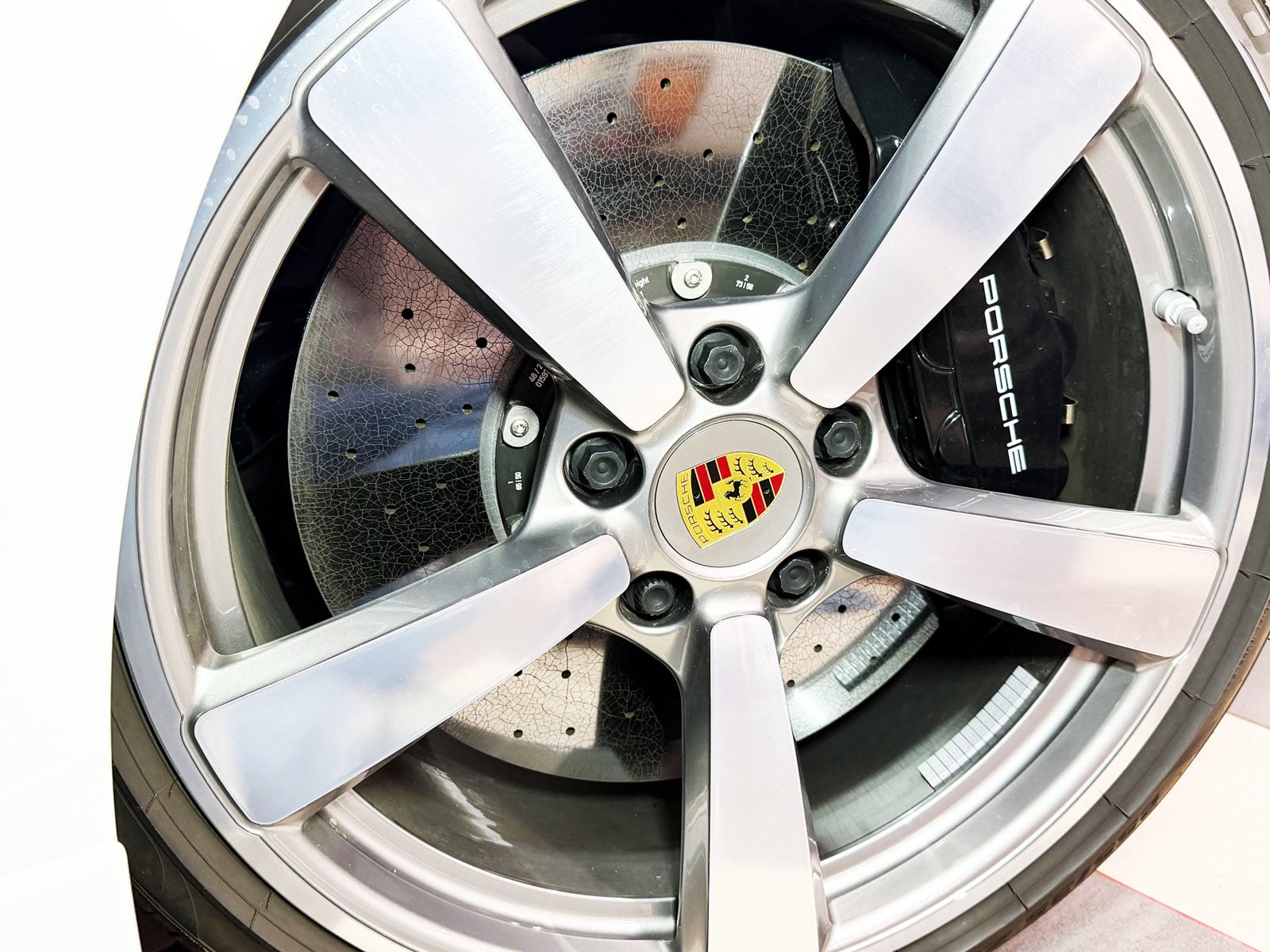
- PCCB (Carbon Ceramic Brakes). Exceptional performance and not fault-prone, but extremely expensive to replace. Inspect rotor condition carefully and ask about track usage. Replacement costs can run well into five figures.
- 2021 4.0-Liter Connecting Rod Recall. In 2021, Porsche issued a limited recall (NHTSA Campaign No. 21V-200) affecting a small number of 718 Cayman GT4, 718 Spyder, and GTS 4.0 vehicles due to connecting rods manufactured outside specification. Only a few hundred cars were involved, and many were corrected before delivery.
- Recalls and Campaigns. Always obtain the VIN and confirm at the dealer that all recall and service campaigns have been completed.
- Over-rev Reports. On manual-transmission cars, always request an over-rev report as part of your pre-purchase inspection. Porsche DME systems record over-rev events by range, typically from Level 1 (minor) to Level 6 (major).
Lower-level over-revs can occur during aggressive driving and are generally not a concern. Higher-level over-revs, however, usually result from missed shifts and can potentially cause internal engine damage. Pay close attention to both the severity level and the operating hours when the events occurred. Recent high-level over-revs deserve closer scrutiny. If a high-range over-rev occurred many years (or hundreds of operating hours) ago without subsequent issues, the engine has more likely survived the event. Over-revs can also affect warranty coverage. Because higher-range events are typically associated with driver error, manufacturers may use them as grounds to deny warranty claims. This makes reviewing the over-rev report especially important if the vehicle is still under factory or extended warranty.
Options Matter
Because Porsche options are individually specified, two otherwise identical cars can vary dramatically in value depending on equipment. Always review the window sticker if available and compare build sheets carefully.
Desirable options often include:
- Sport Chrono
- PASM
- Sport exhaust
- Manual transmission (for enthusiast cars)
- Lightweight bucket seats (especially in GT models)
- Paint-to-Sample cars typically sell for a significant premium
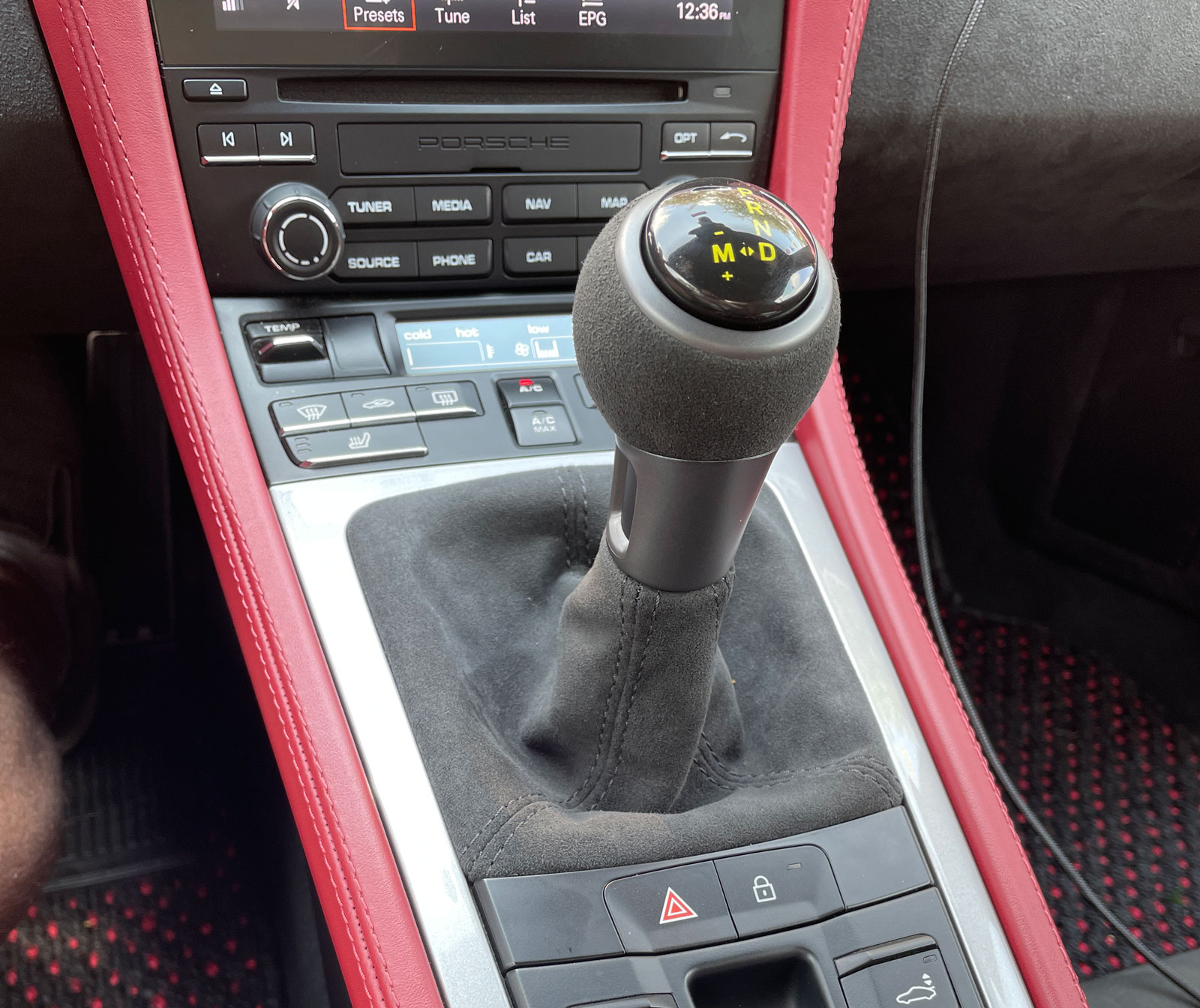
PDK shifter conversion: See how to convert to the GT4RS shifter here.
Servicing and Ownership Costs
Porsche dealership servicing is rarely cheap, but the 718’s maintenance schedule is straightforward relative to many of its high-performance peers. DIY servicing is possible, but specialized diagnostic equipment (PIWIS) and model-specific tools — such as dedicated spark plug sockets — may be required. Plan accordingly.
Collectibility and Long-Term Value
From a collectibility standpoint, the RS variants are the top dogs. Their rarity, GT3-derived engines, and high-performance focus position them well long-term. GT4's and Spyders may also hold their value as collectible down the road, especially those with coveted options like PTS, manual transmissions and lightweight bucket seats. It's impossible to predict the future, but the GTS cars may have the perfect blend of manners and mite to make it the next g-body -- the car everyone wants now and regrets selling in the past. Turbocharged four-cylinder models remain excellent drivers and strong value propositions. Nearly all Porsches have good value retention if well preserved, and the 718 looks to be no different.
Carpokes Picks
Questions, corrections, or owner tips? Add your notes and help improve the guide.